

Projects for installations, activity licences for car parks, etc.
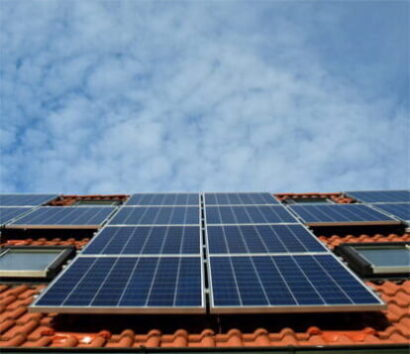 We are a multidisciplinary engineering company specialising in the preparation of all types of engineering projects, installation projects, activity licence projects, works licence projects, energy performance certificates, technical reports, valuations and appraisals.
We have a highly qualified and efficient team specialising in all types of installation projects:
- Electrical
- Gas
- Fire protection
- Renewable energy
- Ventilation
- Air conditioning
At IngenieriaBCN, we carry out all the procedures required for the legalisation of car park installations and for obtaining the corresponding activity licence.
We work with various property owners’ associations and carry out everything from activity licence projects for car parks to communal electrical installation projects, fire protection, gas, air conditioning, etc….
We deal with the control body (ECA) and process all the documentation required for the full legalisation of the installations….
We take care of everything so that our clients do not have to worry about anything.
We have extensive experience working with property owners’ associations and offering a comprehensive service tailored to the needs of each client and each community.
We aim to ensure that our clients do not have to worry about anything and are always satisfied with our service.
We also process energy performance certificates for entire buildings.
What is an installation project?
An installation project is a document containing the set of calculations, drawings, diagrams and explanatory texts in which the design and installation conditions of an installation are described and defined.
The purpose of an installation project is to ensure the viability of an installation from an implementation, regulatory, technical and functional point of view. The aim of any installation project is always for the planned installation to perform the functions for which it was designed, while achieving the best, most efficient and functional results.
The main objectives of an installation project are:
- Define the execution works for the installation, avoiding any type of ambiguity.
- Include in the project documentation all documents that must be consulted.
- Comply with the current regulations applicable to each type of installation.
What does an installation project contain?
An installation project contains several parts:
- Report: the report describes and develops the most important aspects of a project, such as its purpose and scope, as well as the technical justifications and the economic assessment of the installation.
- Drawings: the drawings show the installation as a whole in graphic form, as well as how it must be executed. The drawings must contain the necessary information for their correct interpretation, without ambiguity.
- Specifications: this part of the document describes the works covered by the project, the characteristics of the materials to be used, the execution conditions of the installation, the economic conditions, the tests to be carried out, inspections and commissioning of the installation.
- Measurements: the detailed list of all elements and items included in the installation. This section specifies the amount of material and work required for the execution of the installation.
- Budget: the budget indicates the cost of developing and carrying out the project. It includes a list of all the materials used, as well as the unit prices. It also includes the number of hours required for execution and the cost of labour.
When is an installation project necessary?
Installation projects are necessary in cases where a certain power or capacity of the installation is exceeded. In such cases, regulations consider that these installations may be dangerous for people or for the environment and must therefore be planned, designed and supervised by a competent technician who guarantees their correct operation, as well as compliance with regulations and safety requirements.
Electrical installations:
The current regulation is the Low Voltage Electrotechnical Regulation, approved by Royal Decree 842/2002 of 2 August. This regulation defines the situations in which a project is required for an electrical installation. An electrical project is required in the following cases:
- Industries of any type, from 20 kW.
- Residential buildings, including commercial premises, from 100 kW.
- Detached houses, from 50 kW.
- Premises open to the public, in all cases. This category includes restaurants, cafés, gyms, hotels, gaming rooms, nightclubs, shops and offices with an occupancy of more than 50 people, nurseries, auditoriums, basement premises, etc.
Also in the following cases:
- Swimming pools and fountains, from 5 kW.
- Premises with a risk of fire and explosion, in all cases. This category includes vehicle repair workshops, wood treatment industries, installations with flammable gases or liquids, or suspended dust, etc.
- Installations located outdoors, from 10 kW.
- Damp and/or wet premises, such as laundry rooms, dry cleaners, etc., from 10 kW.
- Overhead or underground low-voltage distribution networks, in all cases.
- Outdoor lighting installations, from 5 kW.
- Garages with natural ventilation, from 5 parking spaces, and with forced ventilation, in all cases.
- Temporary construction-site installations, from 50 kW.
- Low-voltage generating installations, from 10 kW. For example, photovoltaic panel installations.
- Temporary electrical installations in premises or open locations, from 50 kW.
- Lifting and transport machinery, in all cases.
- Water extraction and transport pumps, whether industrial or not, from 10 kW.
- Operating theatres and treatment rooms, in all cases.
- Installations with special voltages, in all cases.
- Infrastructure for charging electric vehicles with power greater than 50 kW indoors, greater than 10 kW outdoors, or charging installations intended for charging mode 4.
Gas:
In the case of gas supply installations, an installation project prepared by a competent industrial engineer is required. In the following cases:
- When the individual installation has a useful power greater than 70 kW.
- For a common installation or internal service connection with a useful power greater than 2,000 kW.
- Installations supplied by networks operating at a pressure greater than 5 bar, and extensions to these installations when the final output exceeds the original power by 30%.
- Finally, a catch-all category for installations that incorporate techniques or materials for which there is no previous experience, or whose particular characteristics prevent them from complying with any of the legal requirements. Obviously, this must not, under any circumstances, compromise their safety.
Air conditioning:
In the case of air conditioning installations, an installation project prepared by a competent industrial engineer is required in the cases established by the Regulation on Thermal Installations in Buildings (RITE).
According to the Regulation on Thermal Installations in Buildings (RITE), installations with more than 70 kW for heat or cooling generation must have a technical air conditioning project.
Who can prepare an installation project?
Installation projects must be prepared, designed and signed by an engineer, such as an industrial, electrical, mechanical or civil engineer. The engineer must be registered with the relevant professional association. Registered engineer.
The engineer responsible for preparing the installation project must be competent and have sufficient knowledge for the correct design and preparation of the installation project.
When is the management and certification by a technical engineer required?
The technical management and works certification by a registered industrial engineer will be necessary in all cases where the preparation of an installation project is required.
What is a fire protection installation project?
El proyecto de instalación contra incendios es aquel that defines the series of measures that a property or building must have for the prevention of fire and its spread. The aim of a fire protection project is to save lives, minimise the economic costs caused by fire and ensure that the activities carried out in a building can return to normal as quickly as possible. return to normal as quickly as possible.
All properties or buildings intended for public use, such as schools, government buildings, etc., as well as industrial and commercial establishments, must have a fire protection installation.
What does a fire protection installation project consist of?
A fire protection installation project consists of a series of protection measures. These measures may be passive measures and active measures:
- Passive fire protection measures: these include all measures designed to make it easier for all occupants of a property to be evacuated as quickly as possible, through stairways, corridors, etc. Passive measures also include all those intended to delay the effects of fire and its spread, such as the fire resistance of the structure or walls, compartmentalisation into fire sectors using fire doors, etc.
- Active fire protection measures: these include all measures for extinguishing and detecting fire, as well as signage measures. Active systems include fire extinguishers, sprinklers, smoke detectors, fire hoses, etc.
We offer a guarantee of success in all your installation projects, with no complications.
We are agile and highly professional. We maintain direct and constant contact with the Control Bodies (ECA), allowing us to guarantee speed and ensure that everything is prepared and carried out in compliance with current regulations.
You can speed up all these procedures with the help of our professional office, specialised in all types of installation projects.
Should you have any queries, please do not hesitate to contact us. We will study your case and prepare a no-obligation quotation.
We also carry out all types of engineering projects in Barcelona and Catalonia:
- Activity licence projects.
- Opening licences.
- Environmental licences.
- Works licence projects.
- Legalisation of installations.
- Energy certificates.
- Technical reports.
- Expert reports.
- Valuations and appraisals.


