

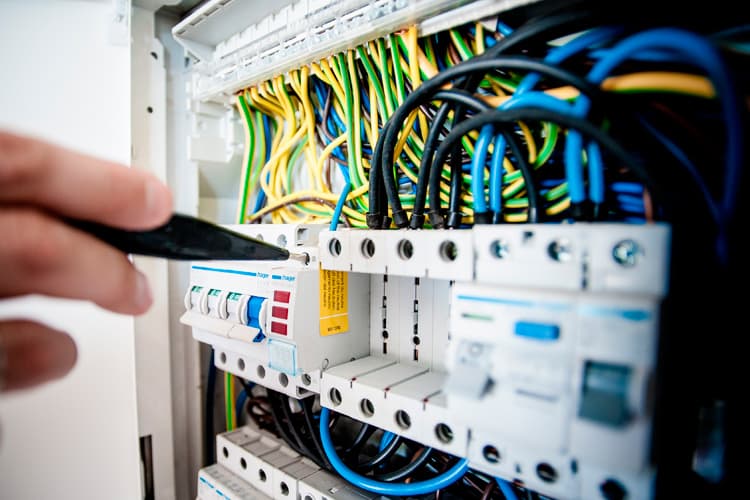
Legalisation of Installations in Barcelona
Ingeniería BCN: Installation Legalisation in Barcelona: An installation project includes the complete set of calculations, drawings, schematics and technical descriptions required for the design and implementation of installations. The purpose of an installation project is to design the installation while ensuring the feasibility of its execution from a technical and functional perspective, always in compliance with current regulations.
What do we mean by the legalisation of installations?
All installations, including electrical, gas, air conditioning, fire protection, plumbing and renewable energy systems, must obtain the appropriate legalisation.
The legalisation of an installation is the process by which a competent professional certifies that the installation complies with current regulations, is safe and operates correctly. Once certified, the installation must be registered with the relevant official authority.
What is the purpose of legalising an installation?
The legalisation of an installation ensures that it complies with current legislation, is safe and does not pose any risk to people.
When an installation is legalised, a competent professional certifies and verifies its proper operation, providing assurance that the installation is safe for its users.
What does the legalisation of installations involve?
Any existing installation or installation to be carried out that requires administrative legalisation must be inspected and verified by a competent professional, whether an installer or an engineer. This includes all types of installations, such as electrical, gas, air conditioning, ventilation, fire protection, plumbing and renewable energy systems.
The legalisation of an installation refers to the complete process of inspection, verification, testing, compliance with current regulations, certification and registration with the relevant official authority.
What is the process for legalising an installation?
To ensure the correct legalisation of installations, a number of common regulatory requirements must be considered, although in many cases each autonomous community has established its own procedures and stages for obtaining the final legalisation certificate.
The general legalisation process is as follows:
- An initial site visit by a competent professional to collect the necessary information, whether for existing installations or new projects.
- Preparation of the technical documentation, either in the form of a technical project or an installer’s certificate, including all supporting calculations, drawings and technical reports. The documentation must demonstrate compliance at all times with the regulations applicable to the installation. In the case of existing installations, a technical project or documentation reflecting the current condition of the installation must be prepared, and its proper operation must be verified.
- Where an installation requires a technical project and inspection, an inspection visit will be carried out to certify that the installation has been executed in accordance with the project and to verify its correct operation and safety.
- A technical certificate for the installation will then be issued, confirming compliance with the applicable regulations.
- Once all the above stages have been successfully completed, the installation will be submitted for registration with the relevant administrative authority, whether this be the local council, industry department, electricity supplier or other competent body.
For installations requiring a technical project and inspection, it is important to note that periodic inspections must be undertaken every five or ten years to ensure that the installation does not pose any risk to people.
How much does the legalisation of an installation cost?
Technical fees for the legalisation of an installation will primarily depend on the complexity and size of the installation. In addition, there are administrative charges, which vary according to the autonomous community, the type of installation and its capacity or rating.
We guarantee the legalisation of your installation in a fast, safe and cost-effective manner.
We have extensive experience in the design, planning, supervision and legalisation of installations, and we work on a daily basis with certification and inspection bodies.
We take care of all the necessary procedures until the full legalisation of your installation is obtained.
Further information on the required procedures is available on the Generalitat de Catalunya website.
We are experts in carrying out installation projects and are able to resolve any issues or unforeseen circumstances that may arise during the execution of your installations quickly and effectively.
We guarantee direct contact with the client in order to meet their requirements and expectations.
At Ingeniería en Barcelona, we offer a highly professional, responsive and cost-effective service, tailored to your needs and always in compliance with regulatory and functional requirements, ensuring the satisfaction of our clients.
Ingeniería BCN: Legalisation of Installations in Barcelona.
If you have any questions, please do not hesitate to contact us. We will provide you with a no-obligation assessment and quotation to help deliver your project efficiently and cost-effectively.
We carry out all types of installation projects and their legalisation:
1. Low-voltage electrical installations.
2. Medium-voltage electrical installations.
3. Fire protection installations (residential, commercial and industrial).
4. Fuel gas installations.
5. Air conditioning and heating installations.
6. Extraction and ventilation systems.
7. Solar energy systems.
8. Other specialised installations.


